
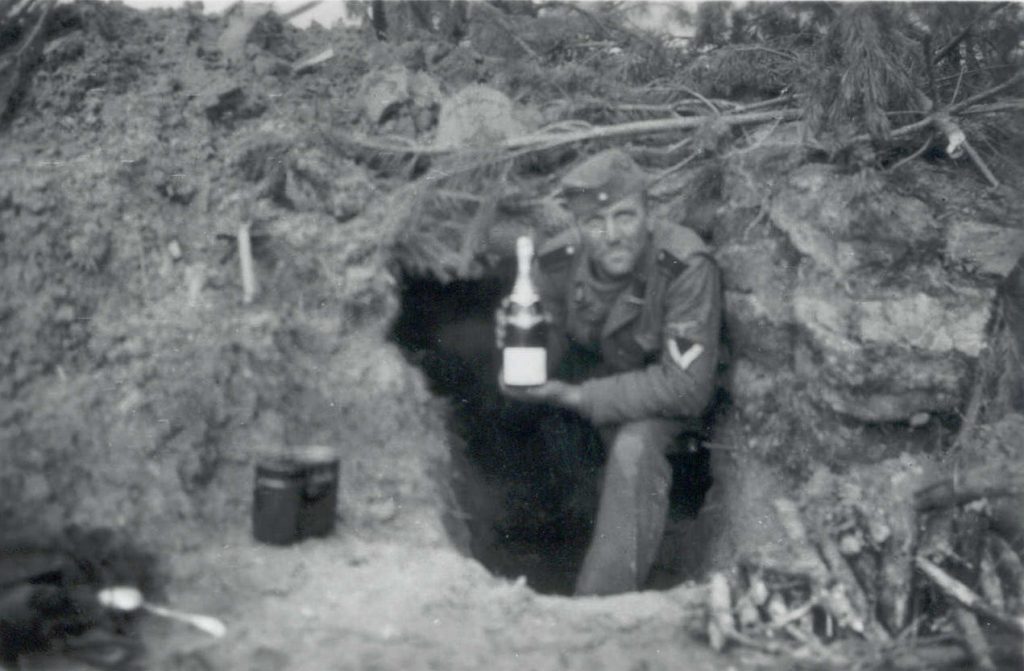
There was still an almost euphoric fighting spirit among the Danes, and they accepted the new conditions calmly, continuing their relaxed Danish attitude.
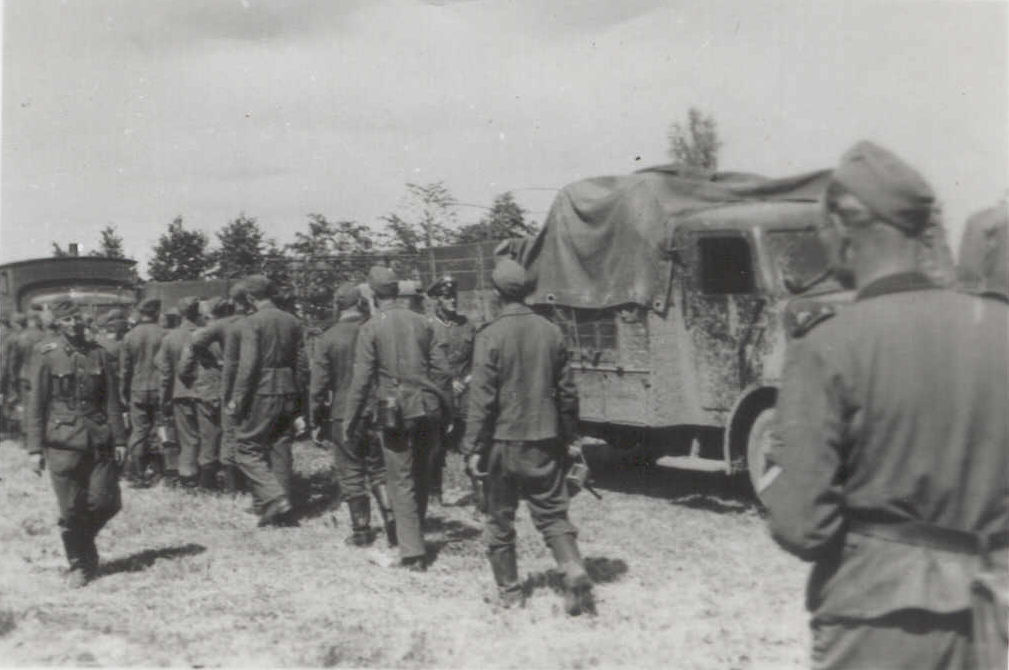
A number of Russian prisoners were taken, and other Russians defected, believing they were safer with the Germans than with the Russians. These were called “Hiwi’s” (Hilfswillige) and were used as labour for building roads and bunkers.
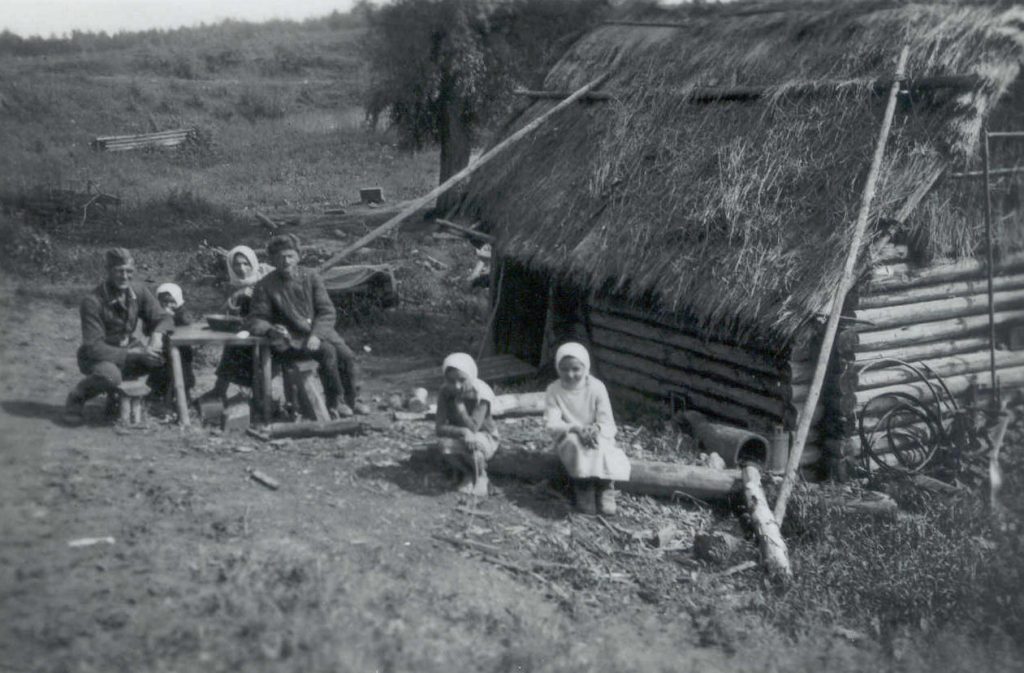
Many of the volunteers were billeted with the local population. Several Danish volunteers report a directly friendly and mutually positive relationship with these Russians.
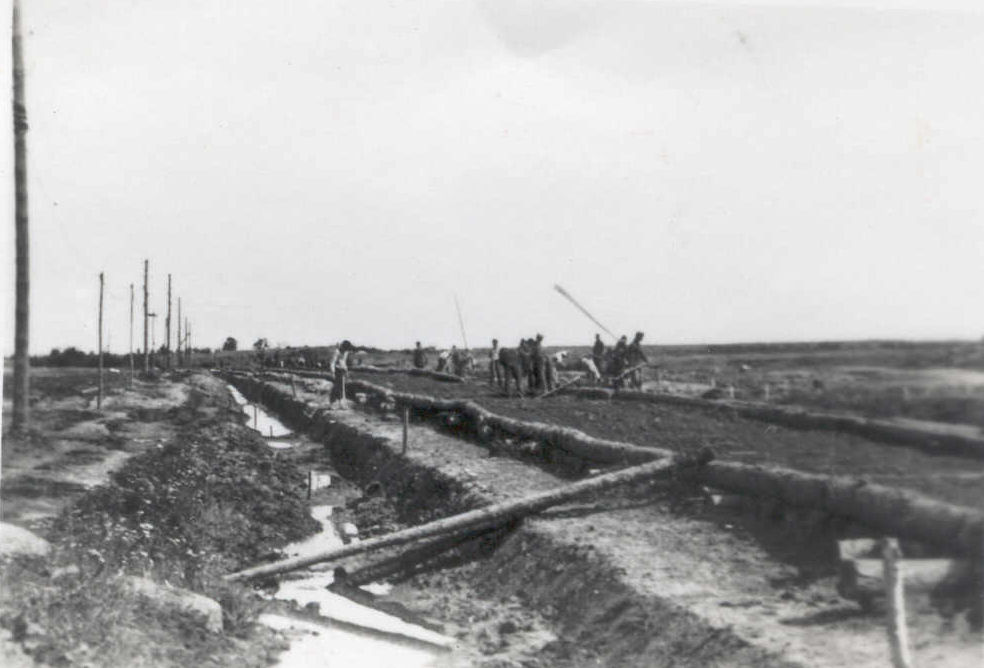
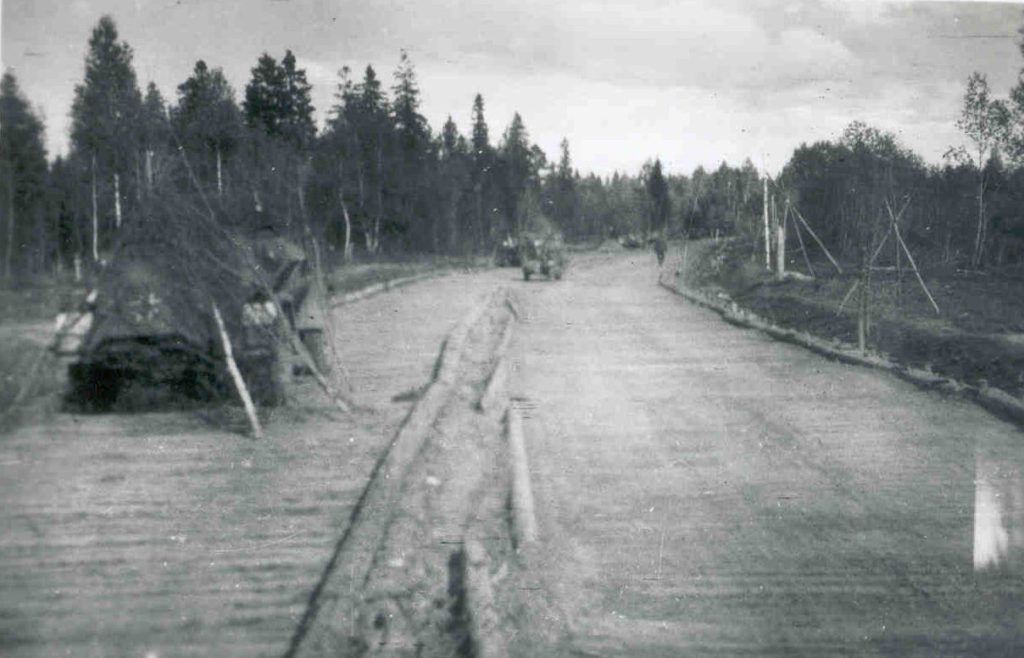
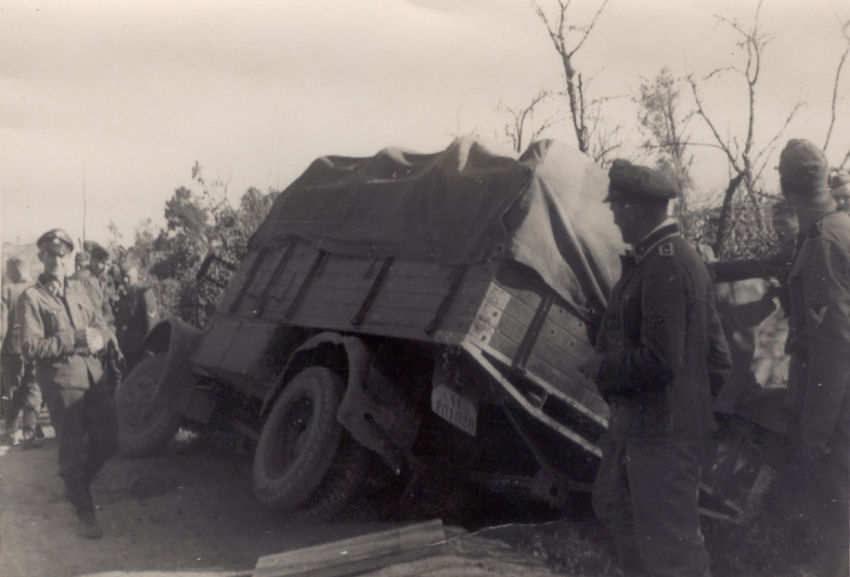
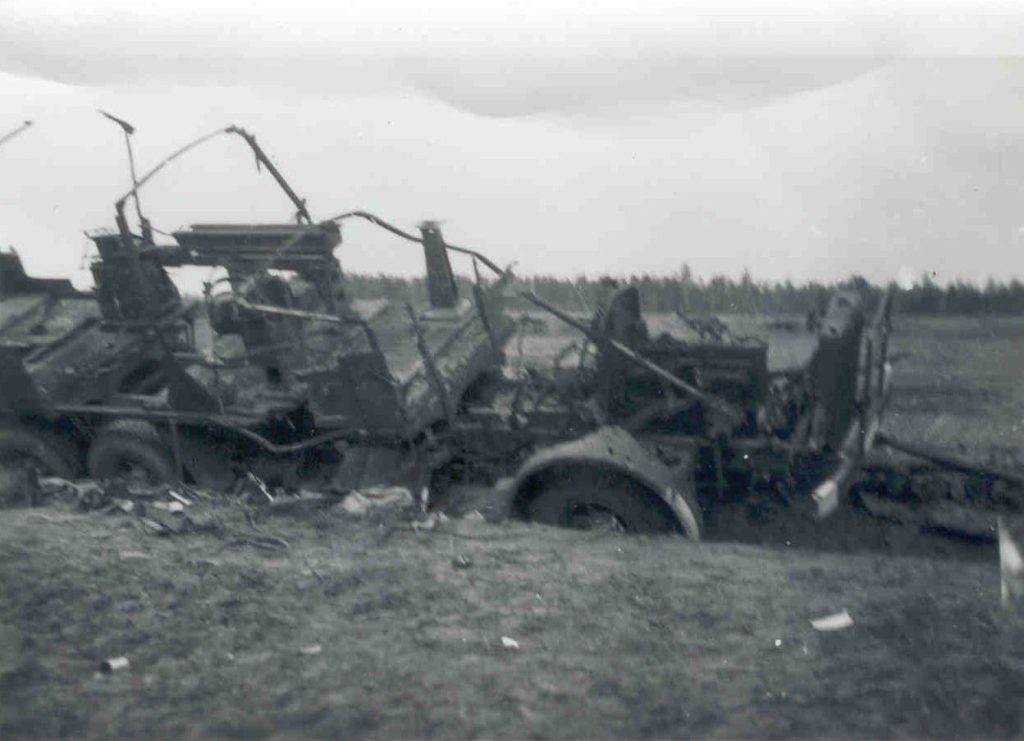
The most notorious was the “Rollbahn” (log road), which was the only functional way to construct roads in the area. It consisted of tree trunks laid lengthwise with another layer placed crosswise on top. This created a surface that essentially floated on the swamp. However, it was a very dangerous and unstable type of road surface.
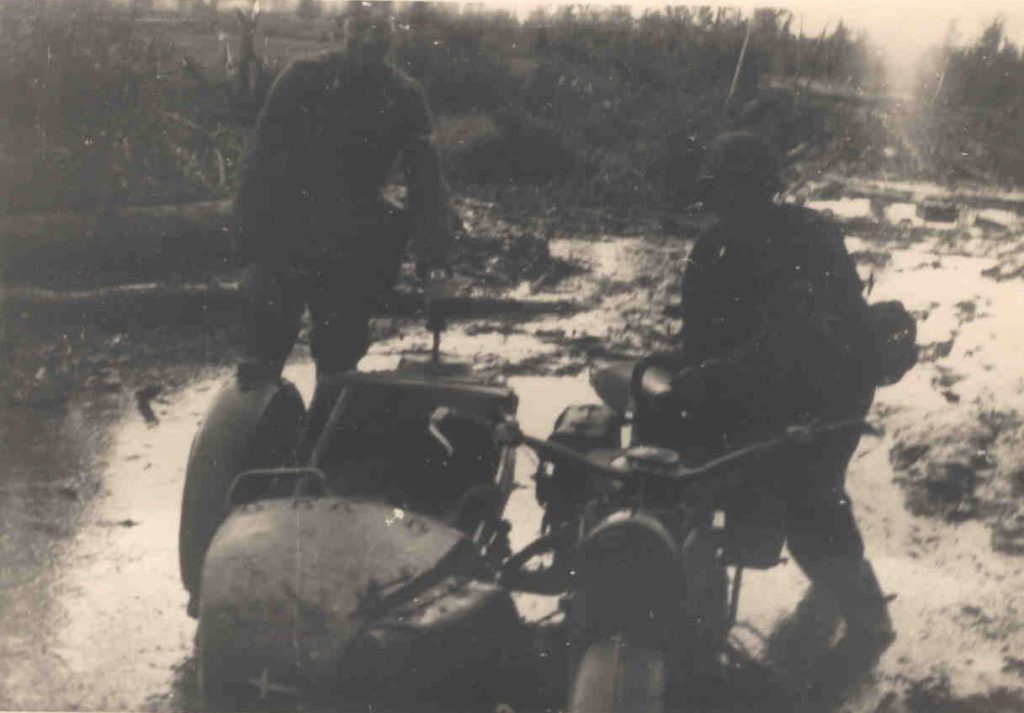
The entire area was a vast swamp, which caused problems not only for movement and maneuvering but also led to fungal infections (due to constantly wet clothing) and diseases such as “swamp fever,” malaria, and dysentery.
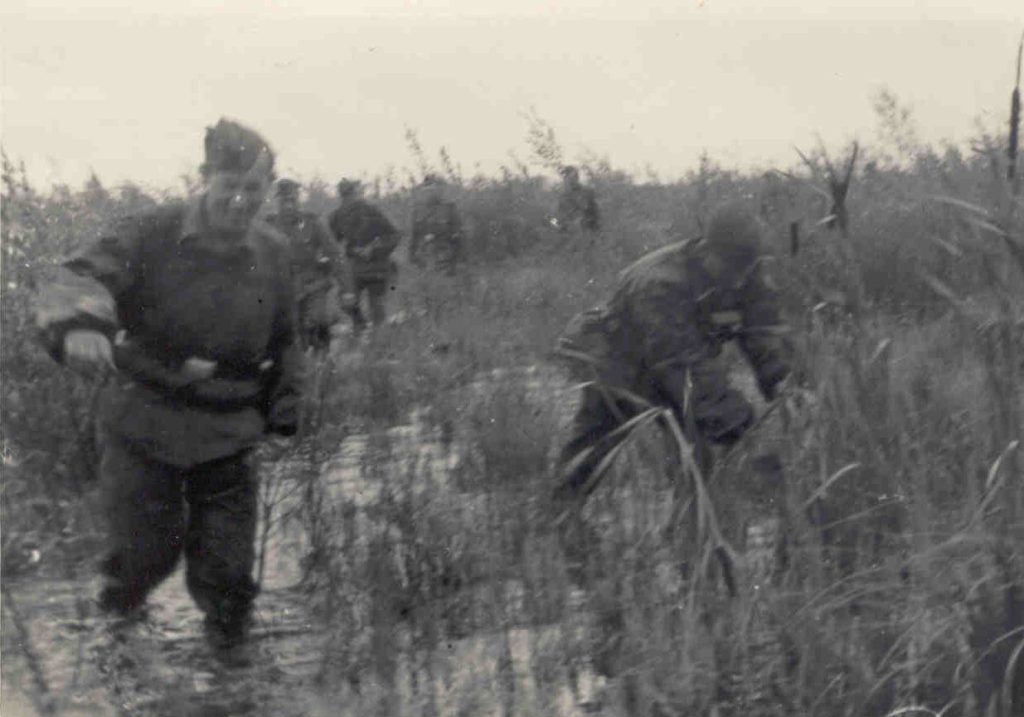
Reconnaissance / Späehtrup also took place under difficult conditions with swamps and mosquitoes.
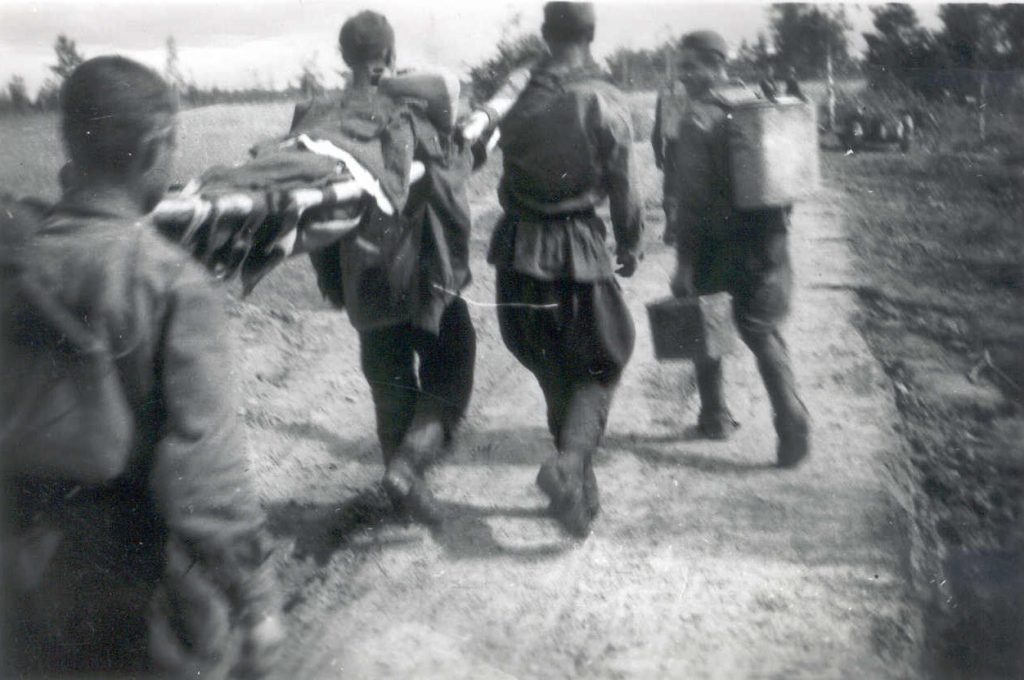
Although vehicles were available, it was not possible to use them in the swampy area and the wounded had to be carried on stretchers the many kilometers back to the dressing station in, among other places, Loznitzy.
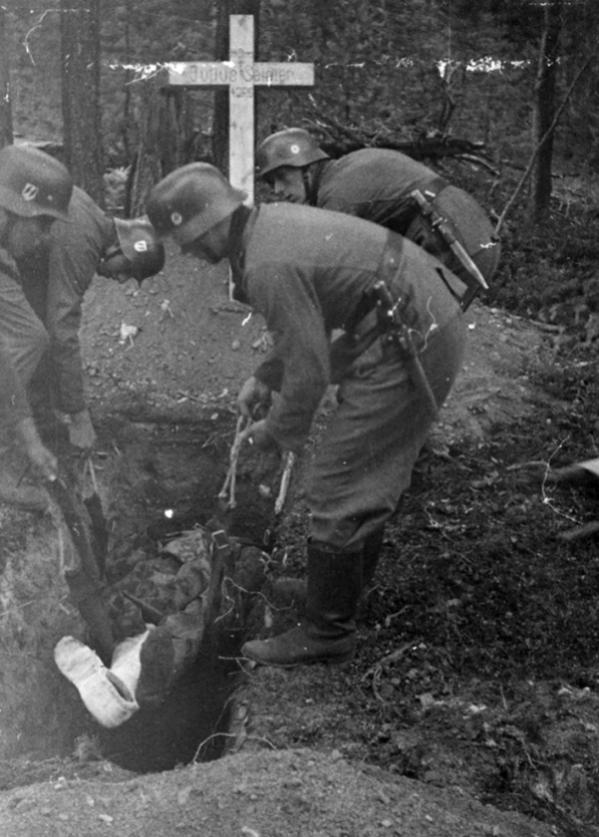
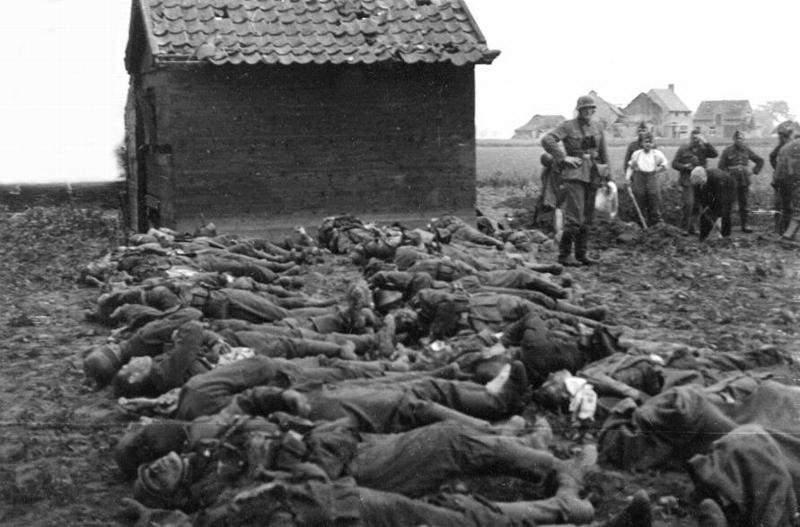
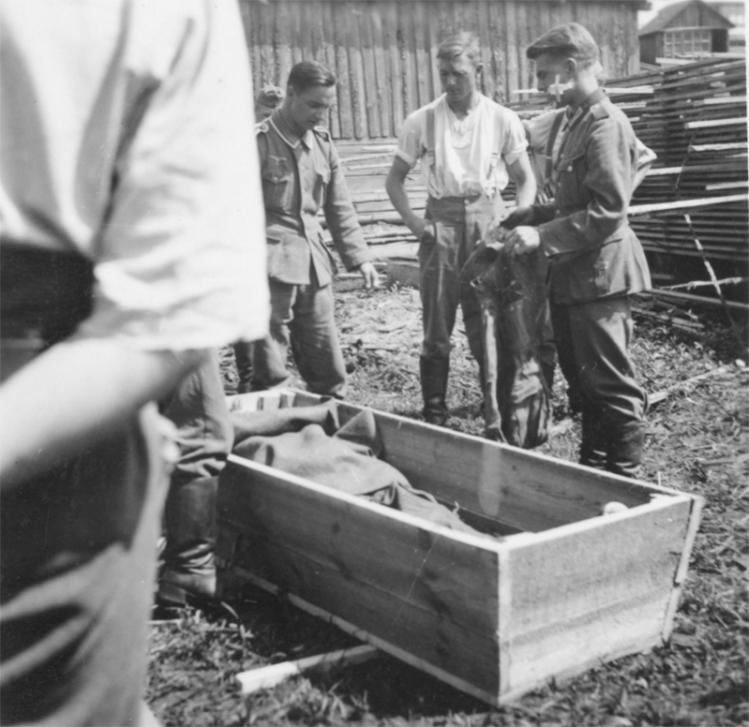
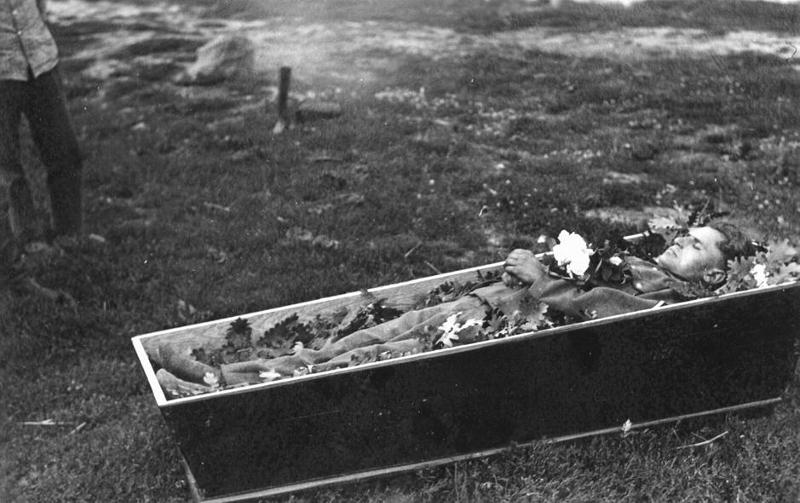
Death was inevitable. Something they turned to, the volunteers say – but they never forget the stench.
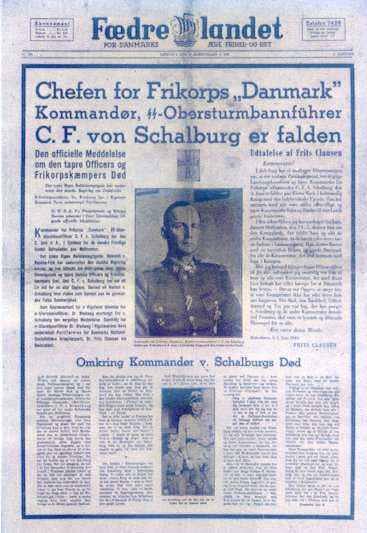
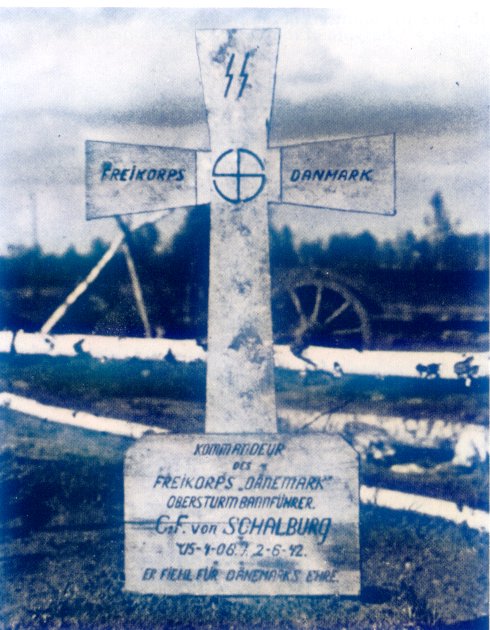
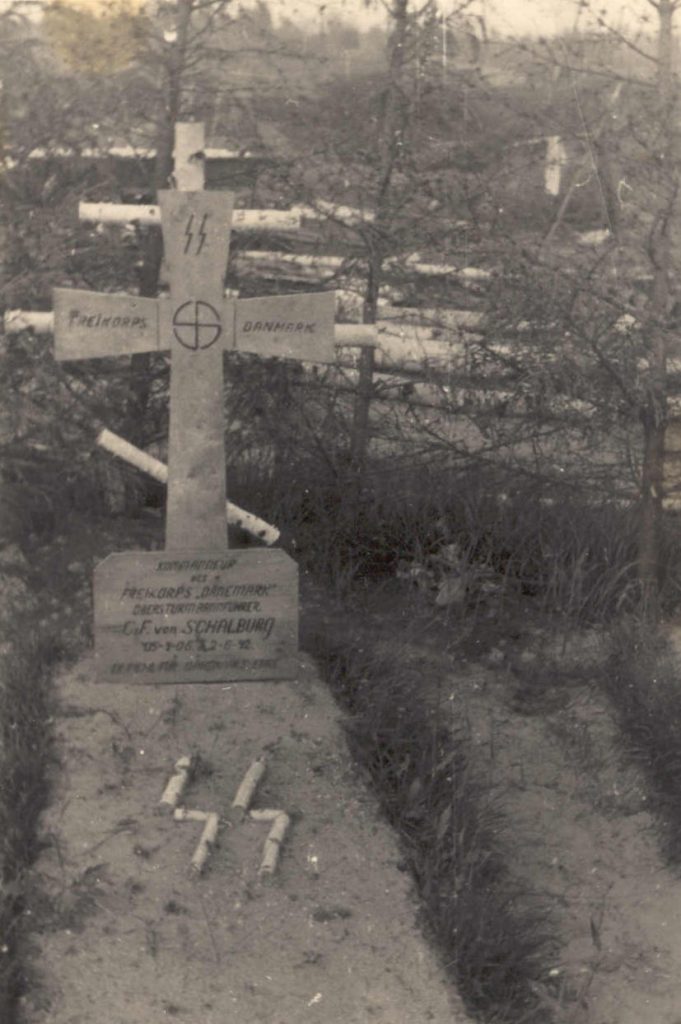
One of the most legendary deaths was when the commander of the Free Corps, C. F. von Schalburg, fell on June 2, 1942.
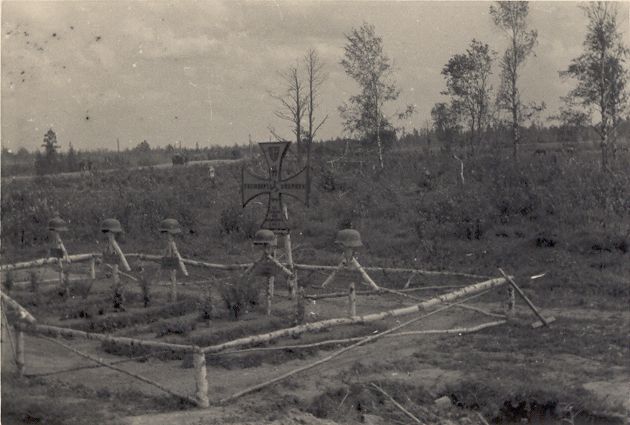
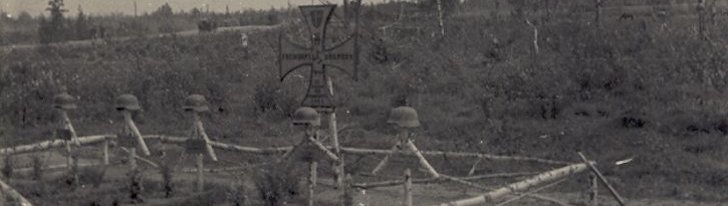
The Danish cemetery at Boldobowichy, where Schalburg and about 40 other Danes were buried.