Danes' Personal Recollections from the Eastern Front

How Did the Volunteers Experience the Training? What Was It Like to Be in Combat at the Front? What Was It Like to Be Taken Prisoner? What Happened Upon Returning to Denmark? This is war seen from ground level, and the individual accounts contain many numerous and surprising details.

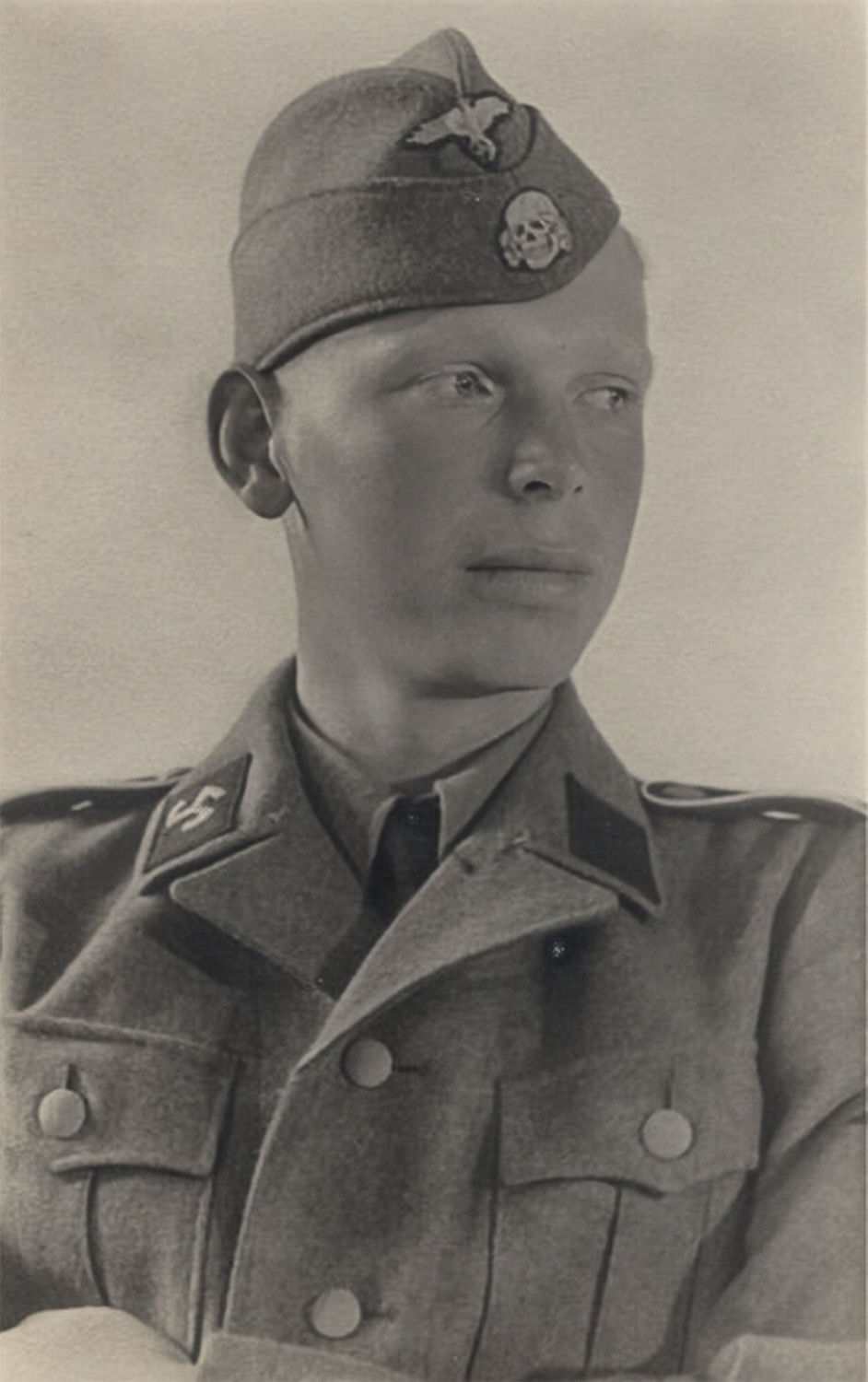
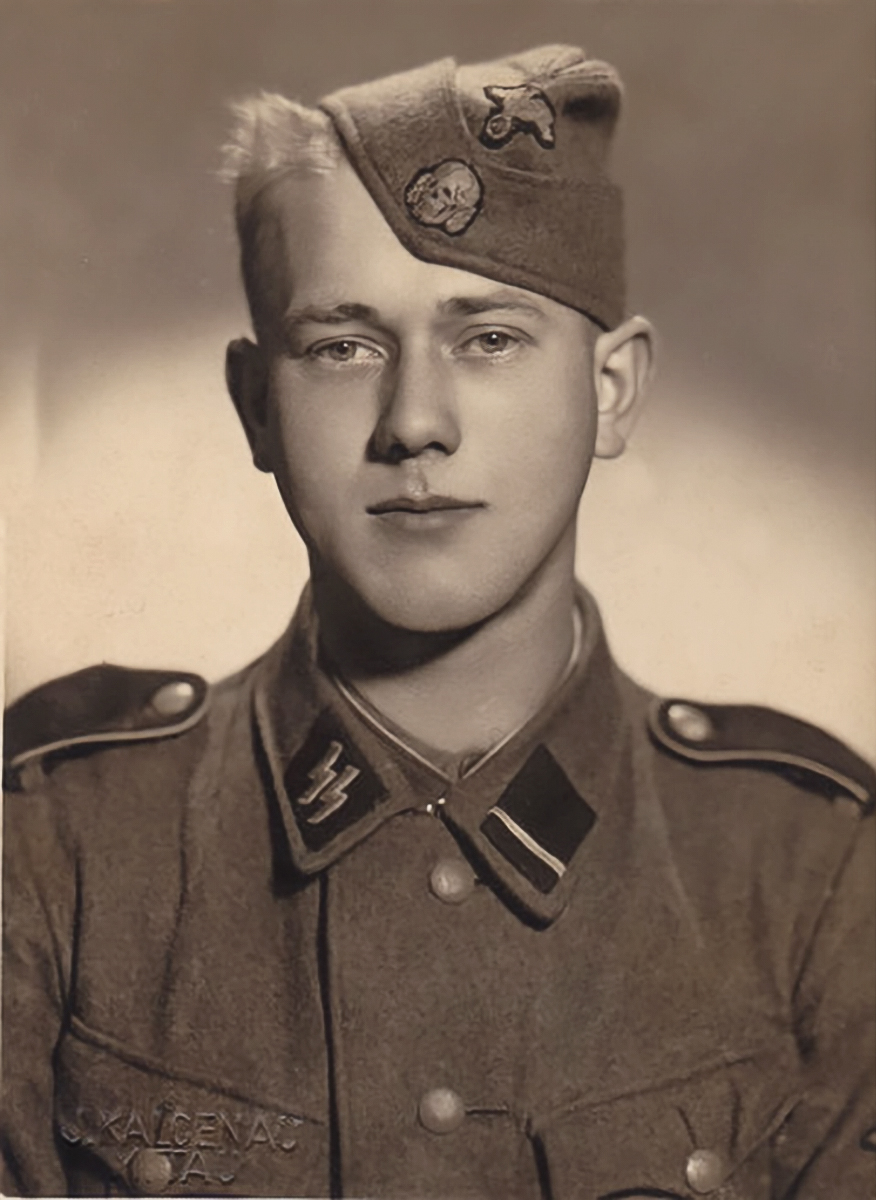
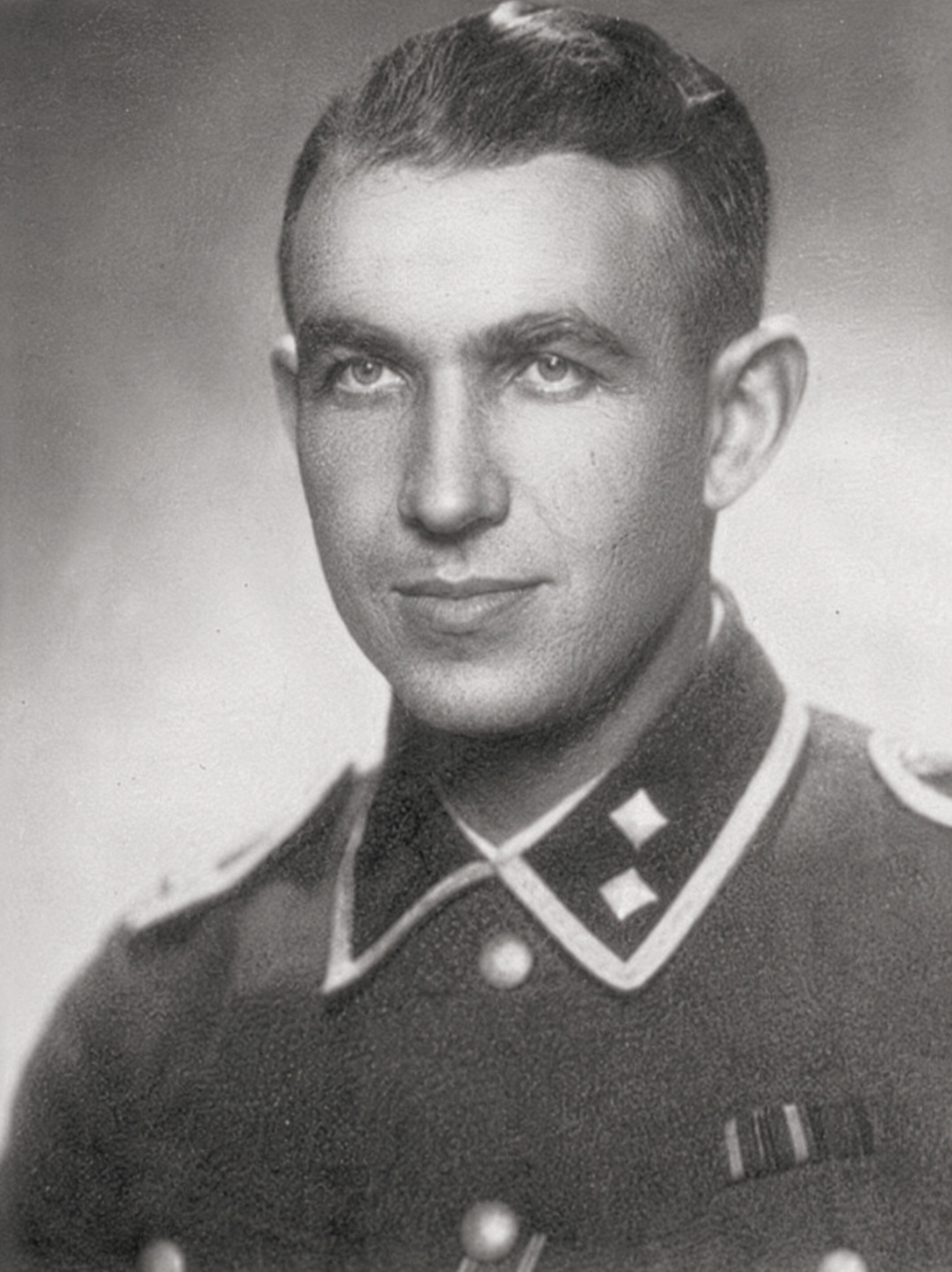
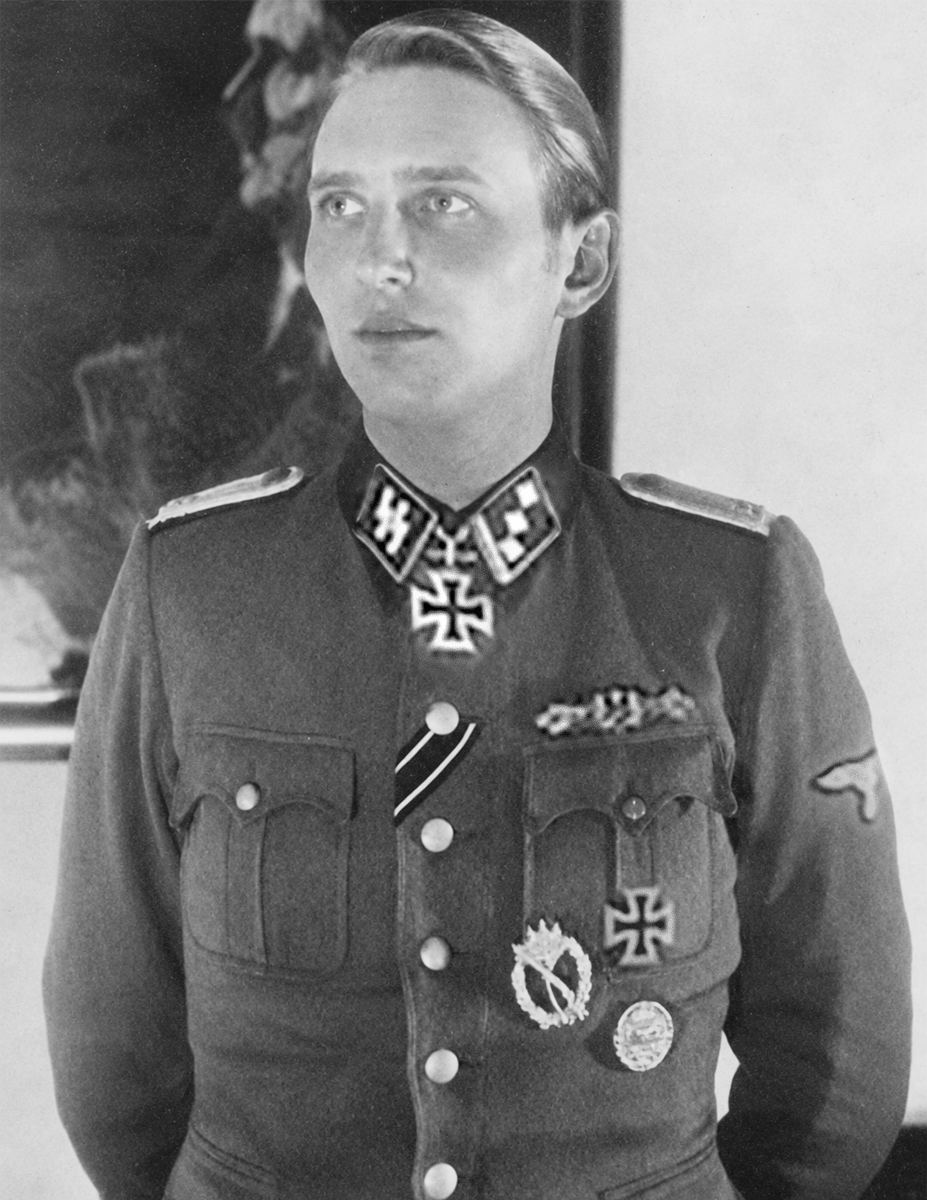
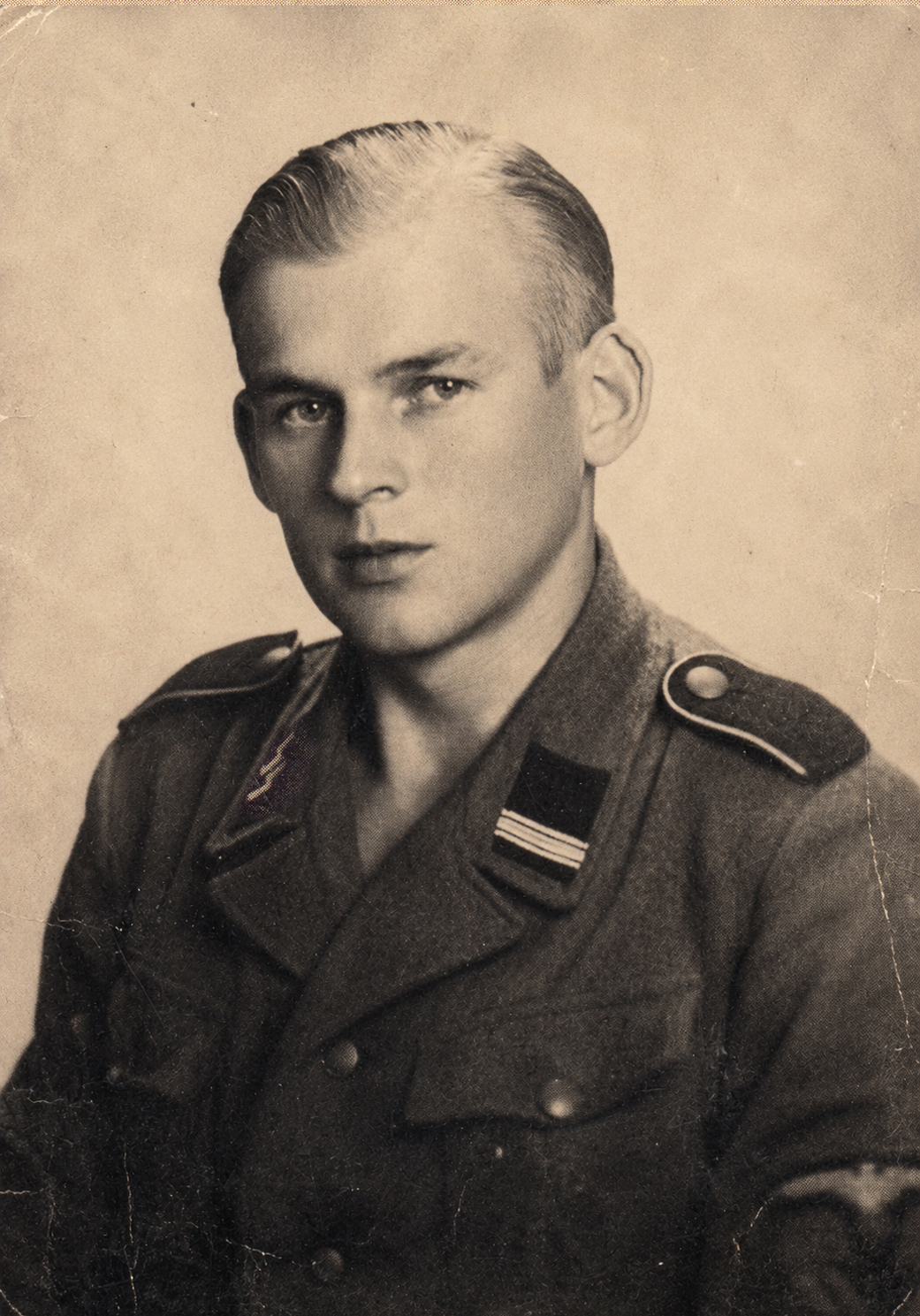
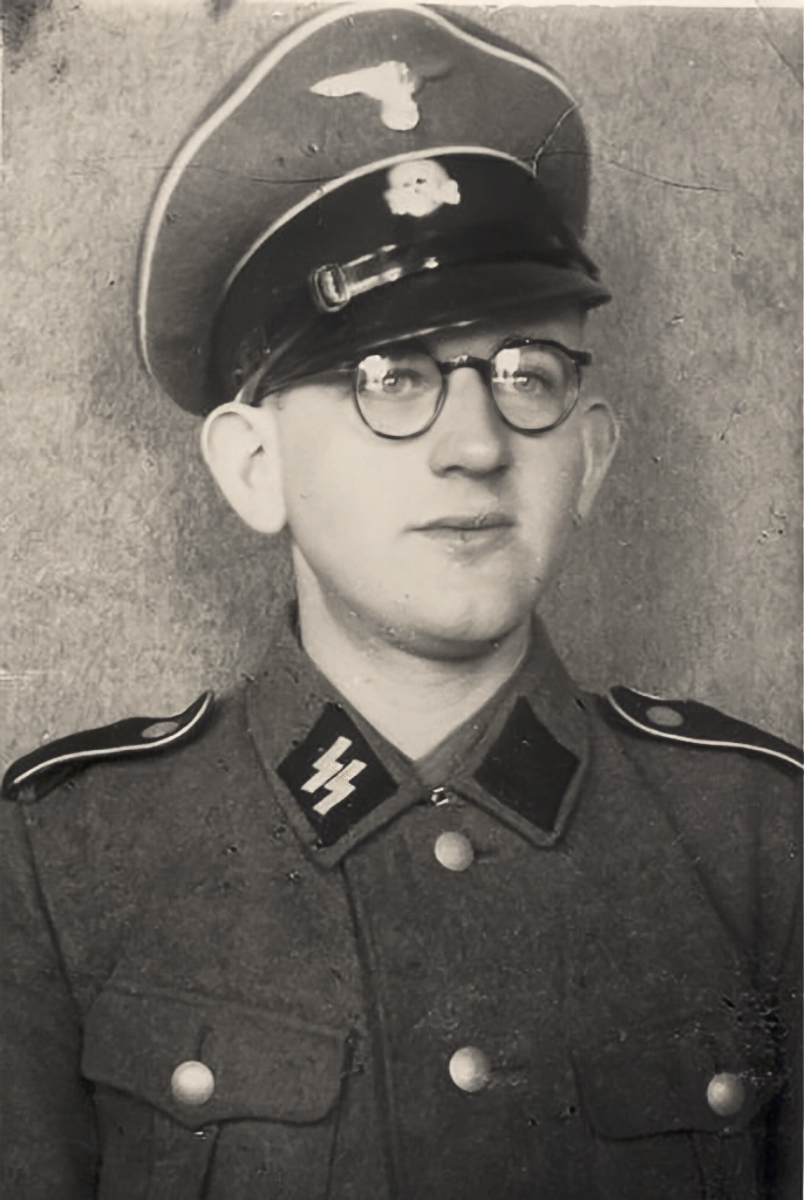
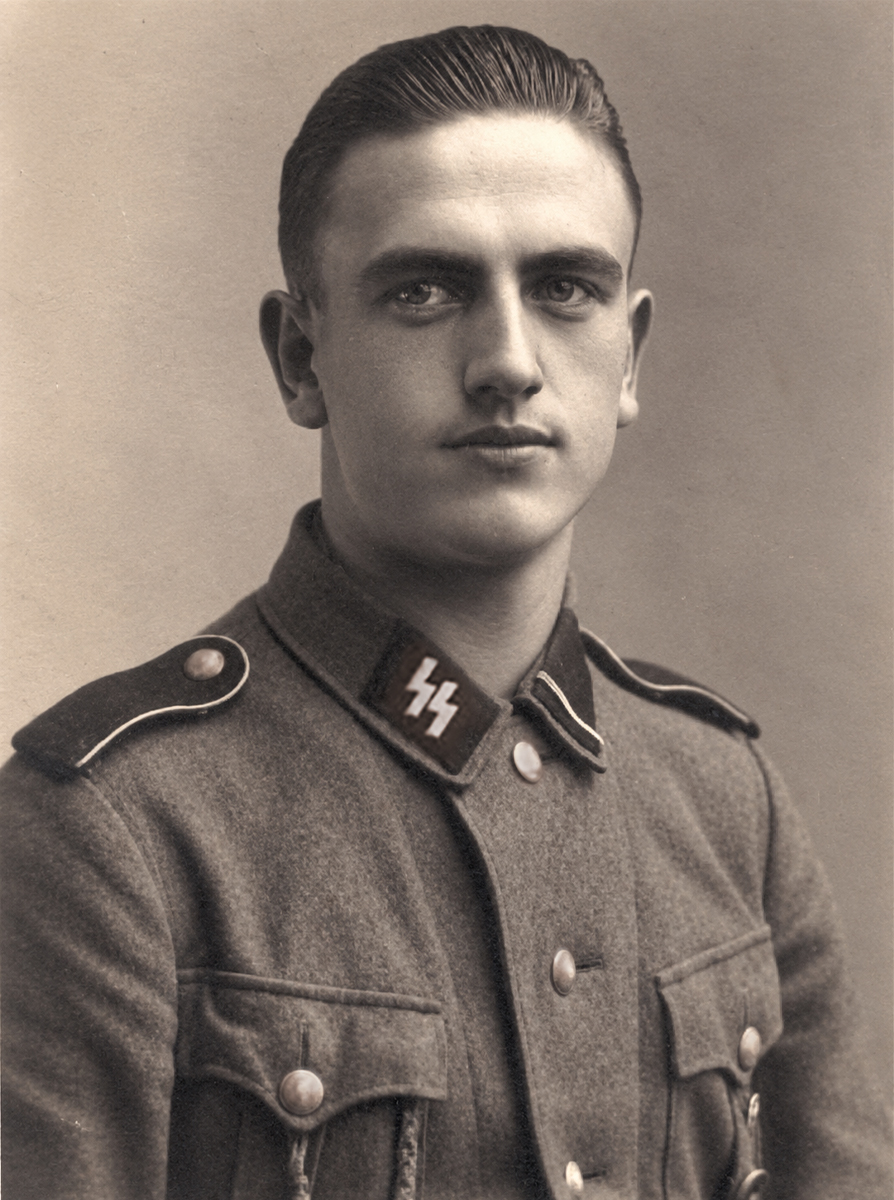
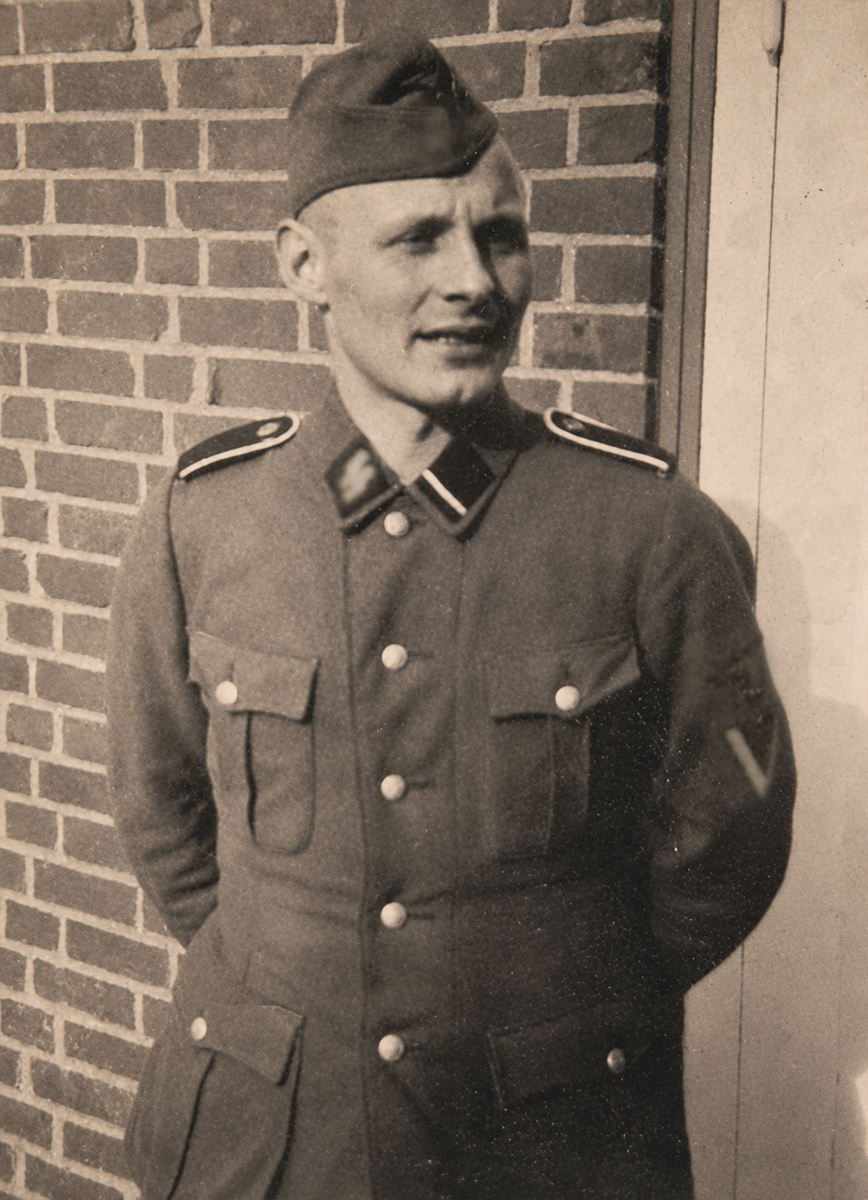
Memories and Fates from the Frikorps Danmark

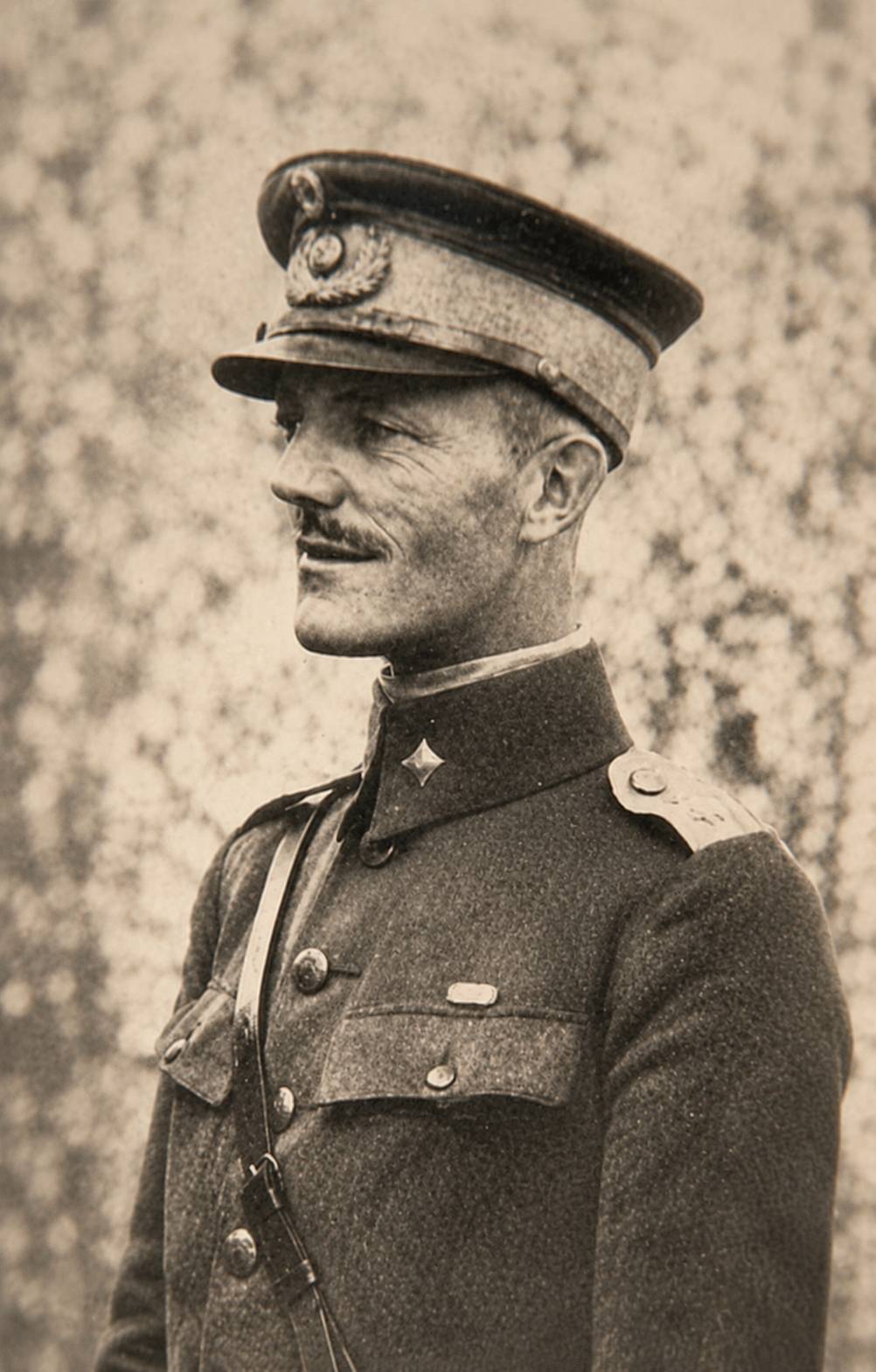
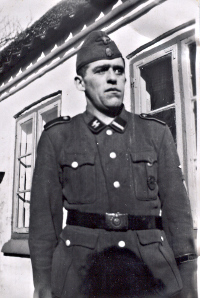
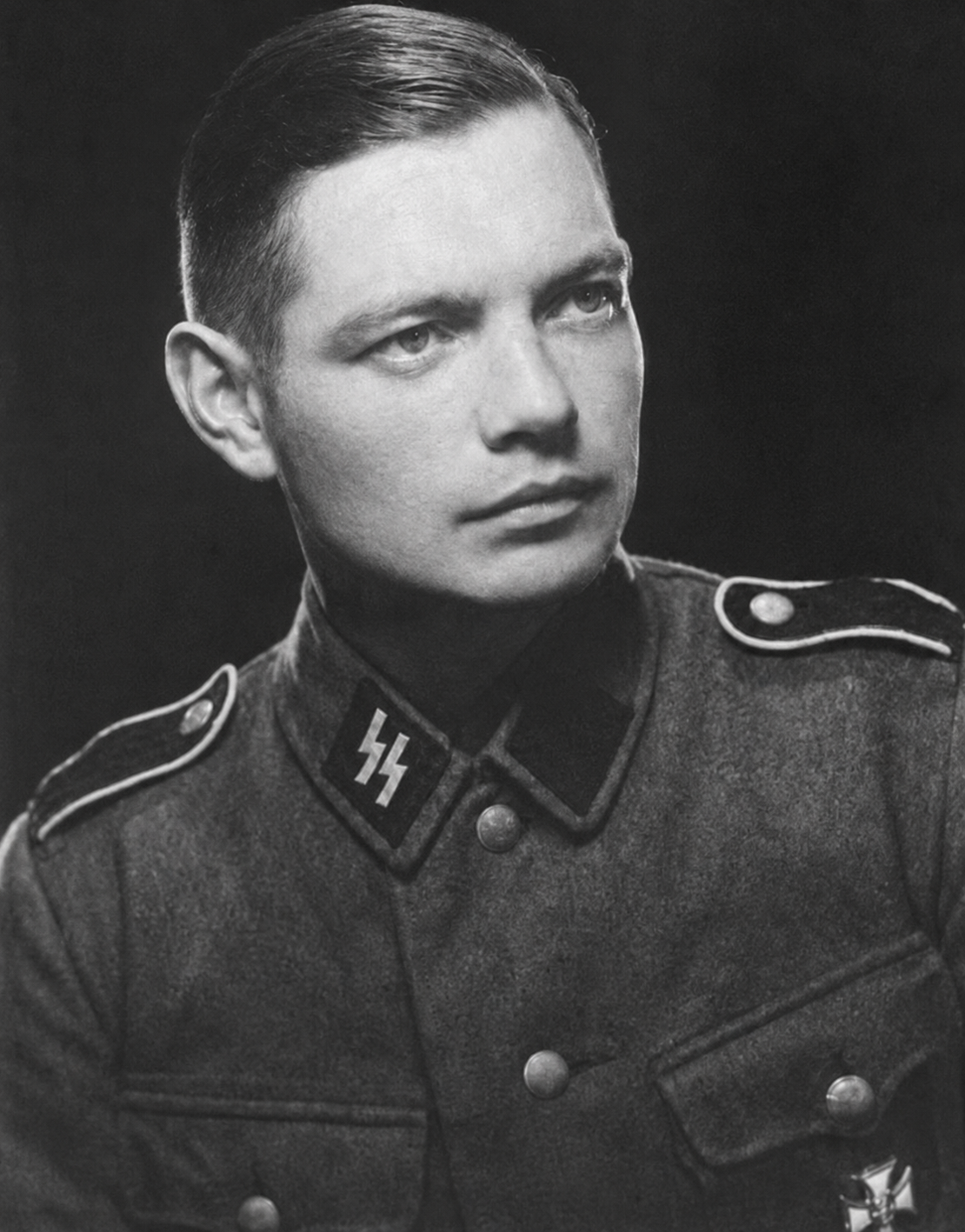
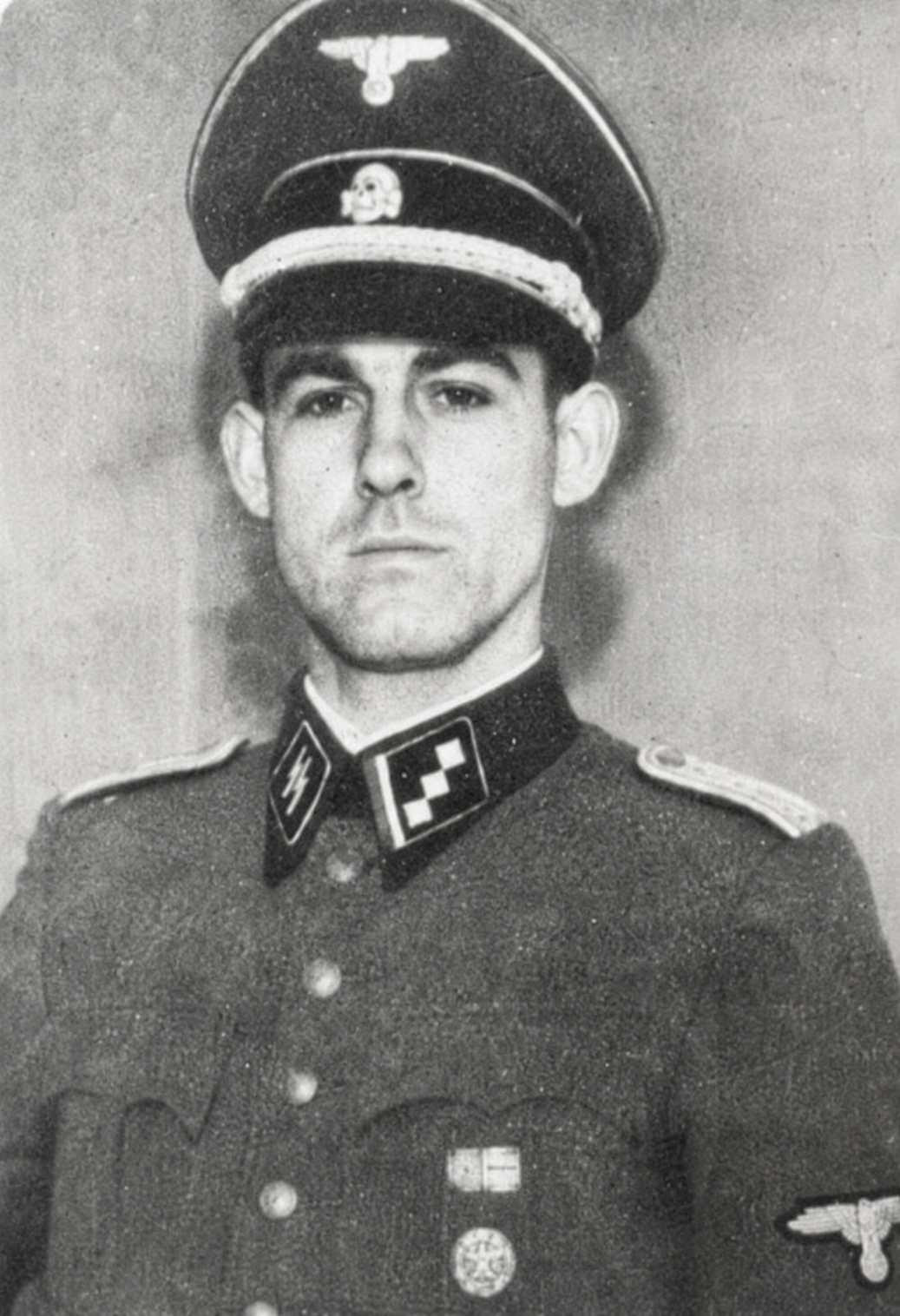
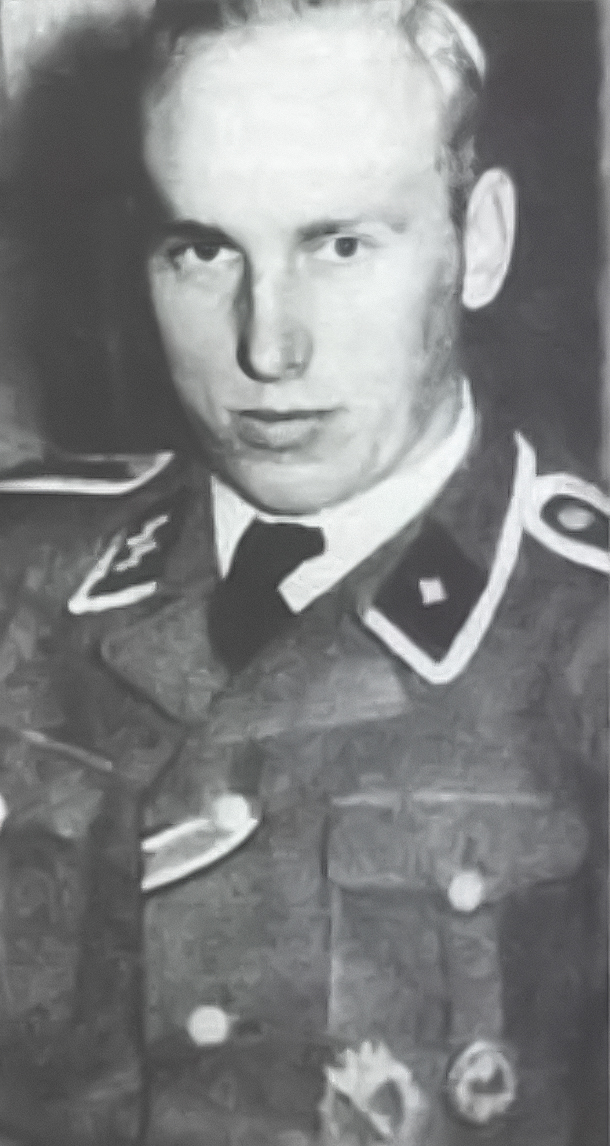
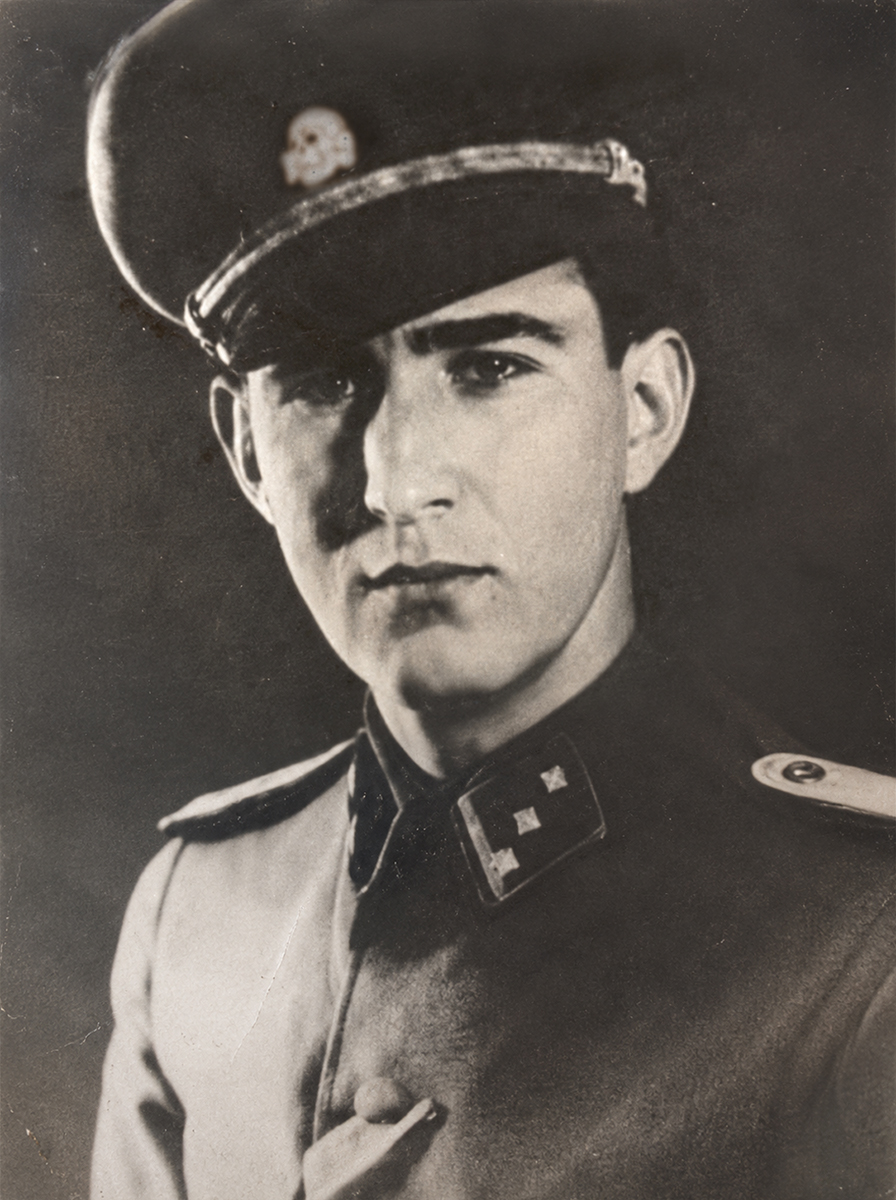
Christian Peder Kryssing was the corps’ first commander. He was not a National Socialist, which led to his transfer and replacement by Schalburg.

Hans Jørgensen, nicknamed “Bondehans” by his comrades, wrote his memoirs in exercise notebooks and by hand during his imprisonment after the war. The account is similar in many respects to the other Frikorps Danmark memoirs, but it stands out partly for its description of childhood and youth, and partly for what happened after 5 May 1945.

After his imprisonment, “Bondehans” succeeded, through hard work, in establishing a stable home and private finances. He was respected in the area, even though his past was well known. It is surprising to see that most Frikorps Danmark members did better than average after the war. Perhaps the explanation is that if you have survived the Eastern Front, everything else feels easier. In his free time, Hans was a strong chess player. Accidents and deaths in his immediate family haunted him until the end, when he died after a short period of dementia.

Magnus Møller served as a motorcycle messenger. He was one of the few volunteers who was able (not without difficulty) to leave the Frikorps when it was officially disbanded. Most of the others, more or less reluctantly, continued their service on the Eastern Front.

Aage, like Hans, wrote in exercise books and by hand. I have carefully transcribed these pages, including the spelling and writing errors made by Hans and Aage, which are left unaltered here on the website.

Marius Sørensen’s memoirs are (apparently) some Word files. They describe the war in Yugoslavia as a pleasant scouting trip, but as is hinted at in the end, it develops into something worse.

The interview with an anonymous volunteer is from 1952. It is an MP3 file, which not all browsers will play directly, but it can be downloaded to your hard drive (right-click the link and select “Save as…”).

Asger Kristensen’s memoirs are compiled from a large number of conversations over coffee, when I was his visiting companion during the final years of his life.

/ Erik Petersen

Eastern Front

This site is registered on wpml.org as a development site. Switch to a production site key to remove this banner.