
As a private individual, I have for 35 years tried to help these families trace information about the person’s place of service, the individual’s final fate, and, if possible, their burial site.
In recent times, it is especially grandchildren who wish to know “grandfather’s fate.” The children of the volunteers have often been forced to live with uncertainty and today find it difficult to revisit these questions.
The Russian state has deployed larger search units from the military to locate old graves, especially in Demyansk, and they have ensured that many fallen Danes today lie in well-maintained new burial sites (Korpovo).
Similarly, Estonia and Latvia, as well as on a large scale the partly state-affiliated German organization VDK, have searched for and collected thousands of fallen and given them burial in newly established collective grave sites.
AND THIS APPLIES REGARDLESS OF THE PERSON’S NATIONALITY.
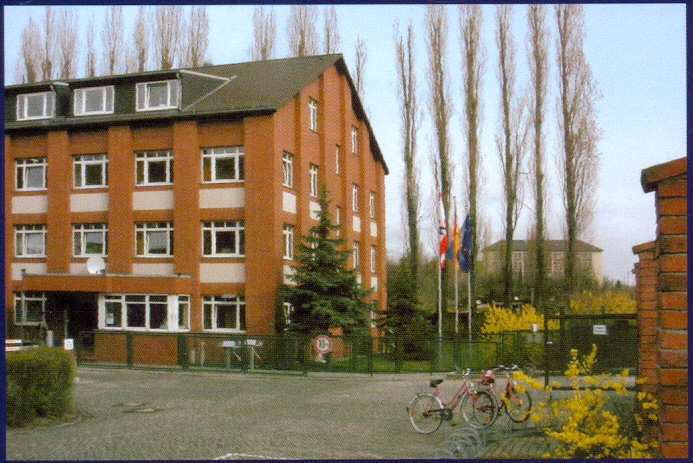
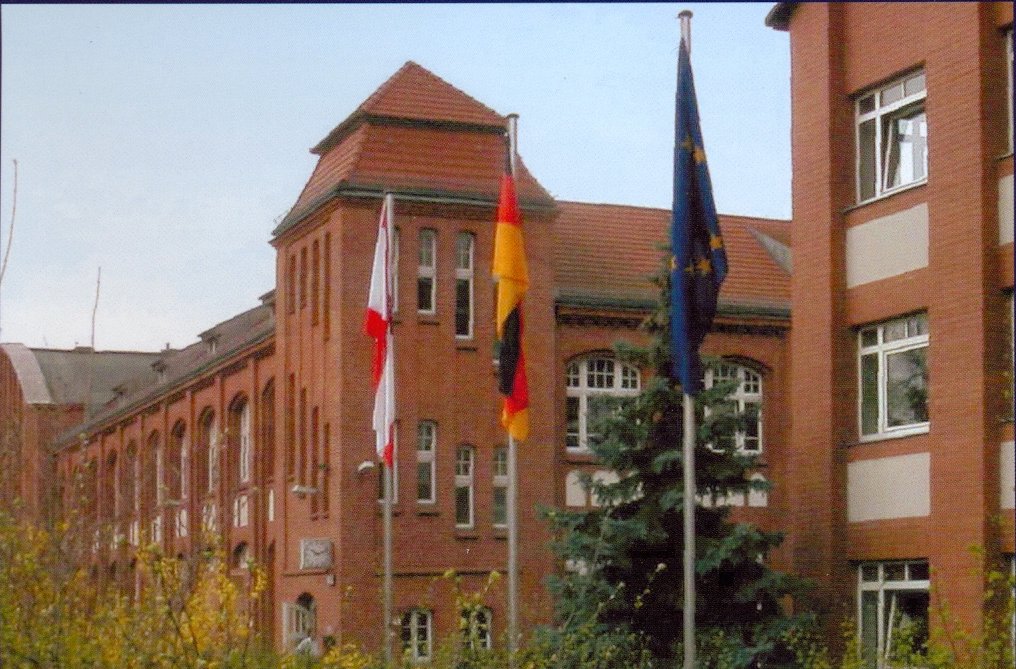
On the website of the “Deutsche Dienststelle”, it is possible—against payment—to search for information about one’s relatives and their participation in the war.
The waiting time from submitting a request until receiving a response can be up to six months. However, there is a great deal of useful information to be found. The site is available in German, French, and English.
In Denmark, searches can be made through the National Archives (Rigsarkivet). The first step when searching for a relative is to apply for access to the Central Card Index (Centralkartoteket), which is stored at the National Archives.
On these cards from the Danish Security and Intelligence Service (PET), information is recorded which is used in further searches. However, there is a disadvantage in using the Central Card Index, as it contains both correct and incorrect information.
In the National Archives (Rigsarkivet) there is also the Bovrup archive (not to be confused with the Bovrup register, which is only a name index). This is the archive of the DNSAP party and therefore contains a large amount of information and data on volunteers, and in particular their political affiliations.
Another good source is newspapers from the period. I also possess a number of records, which to some extent can be made available for serious research and inquiries.